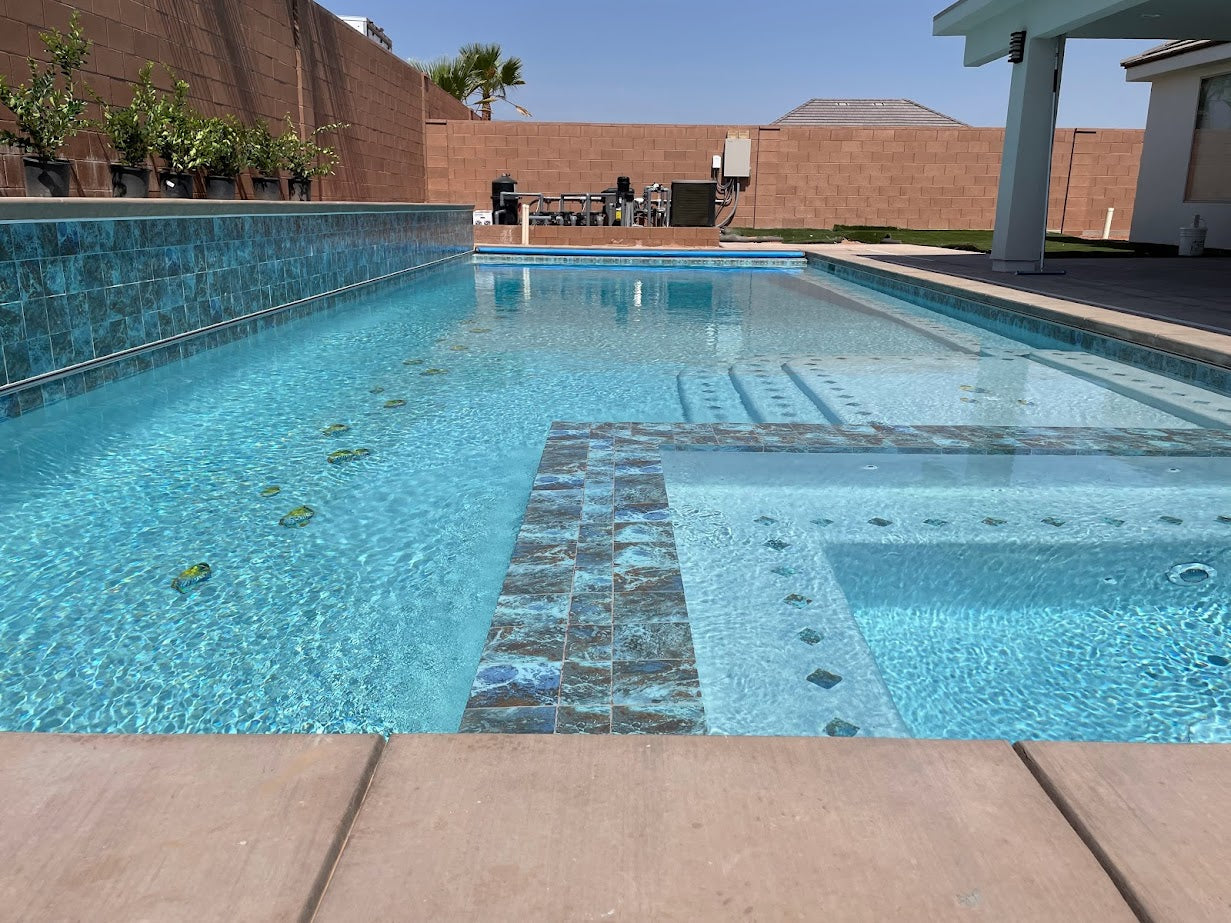

How Utah Pool Plaster Works: Understanding Materials, Lifespan, and the Best Plaster Options for Utah Pools

Every pool in Utah relies on one essential component for beauty, comfort, and long-term durability: the plaster. While homeowners often focus on tile, lighting, or equipment upgrades, nothing affects the look and feel of a pool more than its plaster finish. Because Utah’s climate is harsh on pool surfaces, selecting the right Utah pool plaster and understanding how plaster materials perform is crucial to protecting your investment.
In this article, you’ll learn how pool plaster works, how long it lasts in Utah pools, which surfaces hold up best against our climate, and how the plastering process should be performed to ensure quality results. If you're planning Utah pool remodels or thinking about resurfacing, this guide will help you make the right decisions.
What Is Pool Plaster and Why Is It So Important?
Pool plaster is the smooth, waterproof interior surface applied to the concrete shell of a swimming pool. Its primary roles include:
- Creating a watertight seal
- Providing a smooth, comfortable surface for swimmers
- Protecting the pool shell from chemical and structural erosion
- Contributing to the pool’s color and appearance
Plaster is usually the first part of Utah pools to show signs of wear because it directly interacts with:
- Chemicals
- Hard water
- UV exposure
- Saltwater systems
- Freeze-thaw cycles
The better the plaster quality and installation, the longer your pool will stay beautiful and resilient.
Why Utah Pools Are More Demanding on Plaster
Plaster behaves differently in Utah than in coastal or humid regions. Our environment creates a unique set of challenges:
1. Hard Water Accelerates Etching
Utah’s water contains high levels of calcium and magnesium. Over time, this leads to scaling, rough texture, and mineral absorption into the plaster. If water chemistry is not balanced properly, etching can begin within a few months.
2. Freeze-Thaw Causes Surface Cracking
Winter temperatures routinely drop below freezing. Even small amounts of water in surface pores can freeze, expand, and create cracks in plaster.
3. High UV Exposure Fades Color
Our elevation increases exposure to ultraviolet light, which can bleach or weaken plaster—especially older white plaster.
4. Dry Climate Speeds Up Curing
Plaster cures through hydration, not evaporation. Since Utah’s air is very dry, plaster must be applied correctly or premature drying can weaken the surface.
Because of these factors, choosing the right material for Utah pool plaster makes a tremendous difference in performance and longevity.
The Different Types of Pool Plaster for Utah Pools
Not all plaster is created equal. Below are the top finish options used today, along with how they perform in Utah’s climate.
1. Standard White Plaster
White plaster is a classic combination of white marble dust and Portland cement.
Pros:
- Most affordable
- Clean, bright, timeless look
- Smooth texture
Cons:
- Shortest lifespan in Utah’s harsh conditions
- Prone to staining and etching
- More maintenance required
Lifespan in Utah: 5–8 years, depending on maintenance and water chemistry.
This is the best option for budget-friendly remodels but not the most durable.
2. Quartz Plaster (Colored or White Quartz)
Quartz finishes include crushed quartz mixed into the plaster. Quartz is harder, more UV resistant, and more color stable than marble dust.
Pros:
- Longer lifespan
- Better UV resistance
- Increased durability
- More color options
Cons:
- Higher cost than white plaster
- Slightly more textured surface
Lifespan in Utah: 10–15 years with proper care.
Quartz is ideal for Utah homeowners who want durability without the cost of premium pebble finishes.
3. Pebble and Mini-Pebble Plaster Finishes
Pebble finishes are created using small river pebbles embedded into the plaster mix.
Pros:
- Longest lifespan
- Extremely resistant to etching and stains
- Works well with Utah’s hard water
- Unique, natural look
Cons:
- Higher cost
- Slightly textured feel
- Requires expert installation
Lifespan in Utah: 15–20+ years
Pebble is one of the most popular choices for Utah pool remodels because it withstands Utah’s tough environment better than standard plaster.
4. Polished Aggregate Plaster
Polished aggregate includes exposed quartz, marble, or glass beads buffed to a smooth, glossy finish.
Pros:
- Luxurious, high-end appearance
- Very smooth texture
- High durability
- Excellent color depth
Cons:
- Premium cost
- Requires professional installers familiar with polishing systems
Lifespan in Utah: 15–20 years
Great for homeowners who want a premium finish that stays vibrant.
How Long Does Pool Plaster Last in Utah?
While plaster lifespans vary across the U.S., Utah pools follow a different timeline due to the environment. Here’s what’s typical:
- White plaster: 5–8 years
- Quartz plaster: 10–15 years
- Mini-pebble: 15–20 years
- Polished aggregate: 15–20 years
The biggest factors affecting lifespan include:
- Water chemistry balance
- Quality of installation
- Winterization habits
- Foot traffic and usage
The Complete Utah Pool Plastering Process
Understanding how plaster is applied helps you evaluate the quality of your remodel.
1. Draining the Pool
The pool must be drained safely to avoid floating or cracking the shell. Professionals ensure proper timing and drainage location.
2. Removing Old Plaster
Old plaster is chipped or sandblasted away. Any hollow spots or delamination must be repaired.
3. Surface Preparation
This step is crucial, especially for Utah pools. It may include:
- Bond coats
- Crack repair
- Waterproofing
- Tile adjustments
The stronger the bond, the longer the new plaster will last.
4. Plaster Application
Plaster is applied in one or more layers depending on the finish. Skilled troweling ensures:
- Smooth surfaces
- Even color
- Proper thickness
Modern finishes like pebble or quartz may require multiple steps for exposing aggregate.
5. Filling the Pool Immediately
The pool must be filled continuously once plaster is applied—pausing the fill may cause discoloration or streaking.
6. 28-Day Start-Up Process
This phase determines how long your plaster will last. New plaster is delicate, and Utah’s hard water makes this stage even more critical.
Start-up includes:
- Brushing 1–2 times daily
- Balancing pH and alkalinity
- Controlling calcium hardness
- Avoiding salt systems for 30 days
- Preventing any staining or scale
Proper curing is what separates a 5-year plaster job from a 20-year plaster job.
How to Maintain Your Pool Plaster in Utah
With proper maintenance, you can extend the lifespan of your plaster significantly.
1. Keep Water Chemistry Balanced
Target ranges:
- pH: 7.2–7.6
- Alkalinity: 80–120 ppm
- Calcium hardness: 200–400 ppm
Hard water requires frequent calcium management.
2. Brush Weekly
Brushing helps prevent algae, mineral buildup, and surface roughness.
3. Avoid Chemical Shocks on Fresh Plaster
Too much shock can bleach new surfaces.
4. Winterize Properly
Because Utah freezes, winterization protects plaster from cold damage and scaling.
Choosing the Best Plaster for Your Utah Pool Remodel
If you want:
- Affordability: choose white plaster
- Color and durability: choose quartz
- Longest life + best for Utah: choose mini-pebble
- Premium look: choose polished aggregate
Your choice depends on budget, aesthetic preferences, and long-term maintenance goals.
Final Thoughts: Plaster Is the Foundation of Every Utah Pool Remodel
Whether you're resurfacing aging plaster or doing a complete pool renovation, choosing the right plaster finish is one of the most important decisions you’ll make. Utah’s challenging climate makes high-quality materials and professional installation essential for long-term performance.
A properly selected and well-maintained Utah pool plaster finish will:
- Protect your investment
- Improve your pool’s appearance
- Increase comfort
- Extend the life of your pool
If you're considering Utah pool remodels, now is the perfect time to evaluate which plaster finish fits your needs and get expert guidance tailored to Utah’s unique conditions.