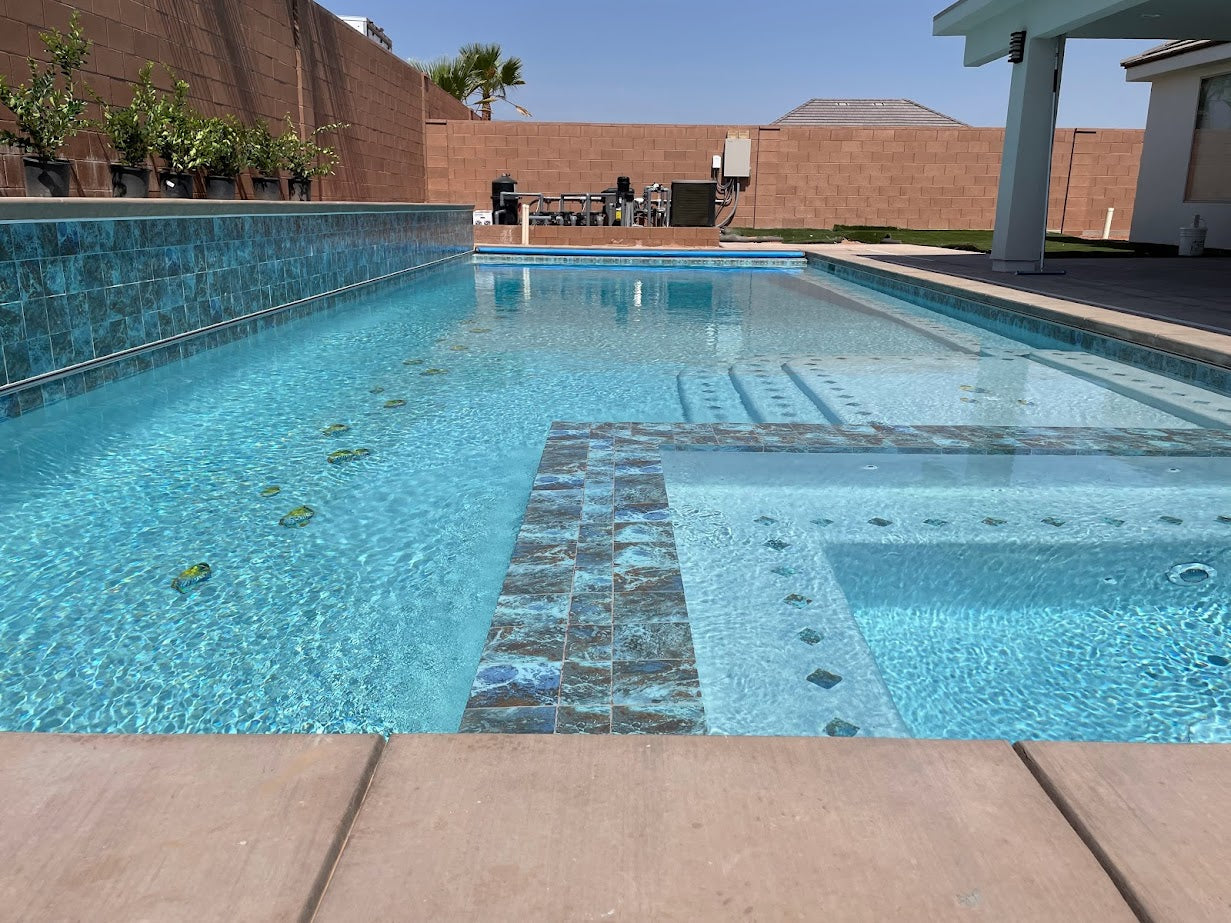

The Complete Guide to Utah Pools: What Homeowners Should Know Before Remodeling or Replastering
Utah’s unique climate, active outdoor lifestyle, and family-focused communities make backyard pools more popular than ever. As more homeowners invest in upgrading older pools or building new ones, terms like Utah pools, Utah pool plaster, and Utah pool remodels have become increasingly important. Whether you're preparing for a full renovation or considering a resurfacing project, understanding the specifics of Utah pools will help you make the best decision for your home.
This comprehensive guide walks you through what makes Utah pools unique, why plaster matters more in our climate than almost anywhere else, and how to choose the right remodeling strategy to protect your investment.
Why Utah Pools Require Special Consideration
Utah’s climate shifts dramatically from freezing winters to hot, dry summers. These changes add stress to every part of a pool—not just the pump system or tile, but especially the plaster surface. Temperature swings cause concrete shells to expand and contract, making the plaster layer the first line of defense for protecting your pool.
Here are three reasons why the plaster in Utah pools needs more attention:
1. Freeze-Thaw Cycles
Winter nights drop below freezing regularly. Water expands when it freezes, and even small cracks in plaster can worsen quickly. Utah pools that aren’t properly plastered or maintained are far more prone to:
- Surface delamination
- Chipping and pitting
- Spider-cracking
- Rough texture and abrasions
2. High UV Exposure
Utah’s high elevation means more UV intensity. Without the right plaster finish or additives, UV rays can:
- Fade the plaster
- Increase surface porosity
- Reduce the lifespan of your finish
3. Hard Water
Utah has notoriously hard water. This leads to calcium buildup and etching, both of which require careful attention when selecting your next Utah pool plaster finish.
How to Know When Your Pool Needs to Be Replastered
Most plaster finishes last 7–12 years, but Utah’s climate can shorten that lifespan. If you're noticing any of the following, it might be time to remodel or replaster:
1. Rough or Sandpaper-Like Texture
If swimming feels more like brushing against concrete, your plaster is worn and needs resurfacing.
2. Stains That Won’t Come Out
Deep discoloration or chemical staining is a sign plaster has weakened and absorbed minerals.
3. Visible Cracks
Fine cracks can be repaired during resurfacing, but deeper cracks may require structural work.
4. Constant Chemical Imbalances
If you're constantly adjusting pH or adding calcium hardness, your plaster is likely deteriorating.
5. Loss of Color
Faded, blotchy, or streaky plaster is common in older Utah pools exposed to heavy UV radiation.
Popular Plaster Options for Utah Pool Remodels
When choosing the next finish for your pool, you’ll find several high-quality options. Understanding each helps you choose the surface that fits your budget, style, and durability needs.
1. Classic White Plaster
The traditional choice for Utah pool plaster. It’s affordable, clean-looking, and creates the classic blue water appearance.
Pros:
- Cost-effective
- Smooth and visually bright
- Timeless look
Cons:
- Shorter lifespan compared to aggregate finishes
- More prone to staining in hard water environments
2. Quartz Plaster Finishes
Quartz blends add strength and color consistency. These finishes often last longer in Utah pools because they resist fading.
Pros:
- UV-resistant
- More durable than classic plaster
- Colorful options
3. Pebble and Mini-Pebble Finishes
Pebble finishes have become extremely popular in Utah pool remodels because of durability and texture.
Pros:
- Longest lifespan—up to 20 years
- Highly resistant to etching
- Unique natural aesthetics
Cons:
- Higher cost
- Slightly textured feel
4. Polished Aggregate
These are premium finishes with a glossy, smooth appearance. Great for luxury Utah pools.
Pros:
- Luxurious look and feel
- High durability
- Beautiful color depth
Cons:
- Highest cost category
- Requires professional installation
What to Expect During a Utah Pool Remodel
A full remodel can include tile, coping, deck work, equipment upgrades, and new surfaces. For most homeowners focused on plaster, here's the typical process:
Step 1: Draining
The pool is drained safely to avoid damaging the shell.
Step 2: Surface Preparation
This includes removing old plaster, patching cracks, and preparing the surface for bonding.
Step 3: Application of New Plaster
Depending on the finish, this may involve spraying, troweling, or multi-layer aggregate application.
Step 4: Filling the Pool
A continuous fill is crucial to prevent streaking or marking on your new plaster.
Step 5: Start-Up Process
This includes balancing chemicals, brushing daily, and following the proper 28-day curing process.
Why Proper Start-Up Matters for Utah Pool Plaster
Utah’s hard water makes start-up procedures even more important. Poor chemical balancing during the first month can permanently damage your new plaster.
Proper start-up protects your remodel from:
- Calcium scaling
- Etching
- Surface discoloration
- Softening or roughness
A professional team should guide you through brushing schedules and exact chemical levels.
When to Consider Additional Upgrades During a Remodel
If you're already resurfacing, it may be a great time to upgrade other pool features:
Tile & Coping
Fresh waterline tile or stone coping can give a 20-year-old pool a brand-new feel.
New Pool Lighting
LED lights are energy-efficient and bring Utah pools to life at night.
Equipment Replacement
New pumps, heaters, and filters can cut energy costs significantly.
Automation Systems
Remote control, variable-speed pumps, and automated chemical systems make ownership easy.
How Utah Homeowners Can Protect Their Pool After Plastering
To maximize the lifespan of any Utah pool plaster, follow these maintenance tips:
- Maintain pH between 7.2–7.6
- Brush the pool regularly
- Keep calcium hardness balanced
- Shock weekly during swim season
- Winterize properly every fall
- Schedule yearly inspections
Small habits can add 5–10 years to the life of your plaster.
Conclusion: Remodeling Utah Pools the Right Way
Utah’s climate makes pool plaster and remodeling especially important for long-term durability. Whether you're repairing aging plaster, upgrading to a high-end aggregate finish, or fully remodeling your pool, understanding Utah-specific challenges helps you protect your investment. Professional installation, the right finish, and proper maintenance give homeowners years of beauty, comfort, and peace of mind.
When you're ready to explore Utah pool remodels or resurfacing options, choose a team that understands the unique needs of Utah pools and can guide you through every step.